Seasonal produce
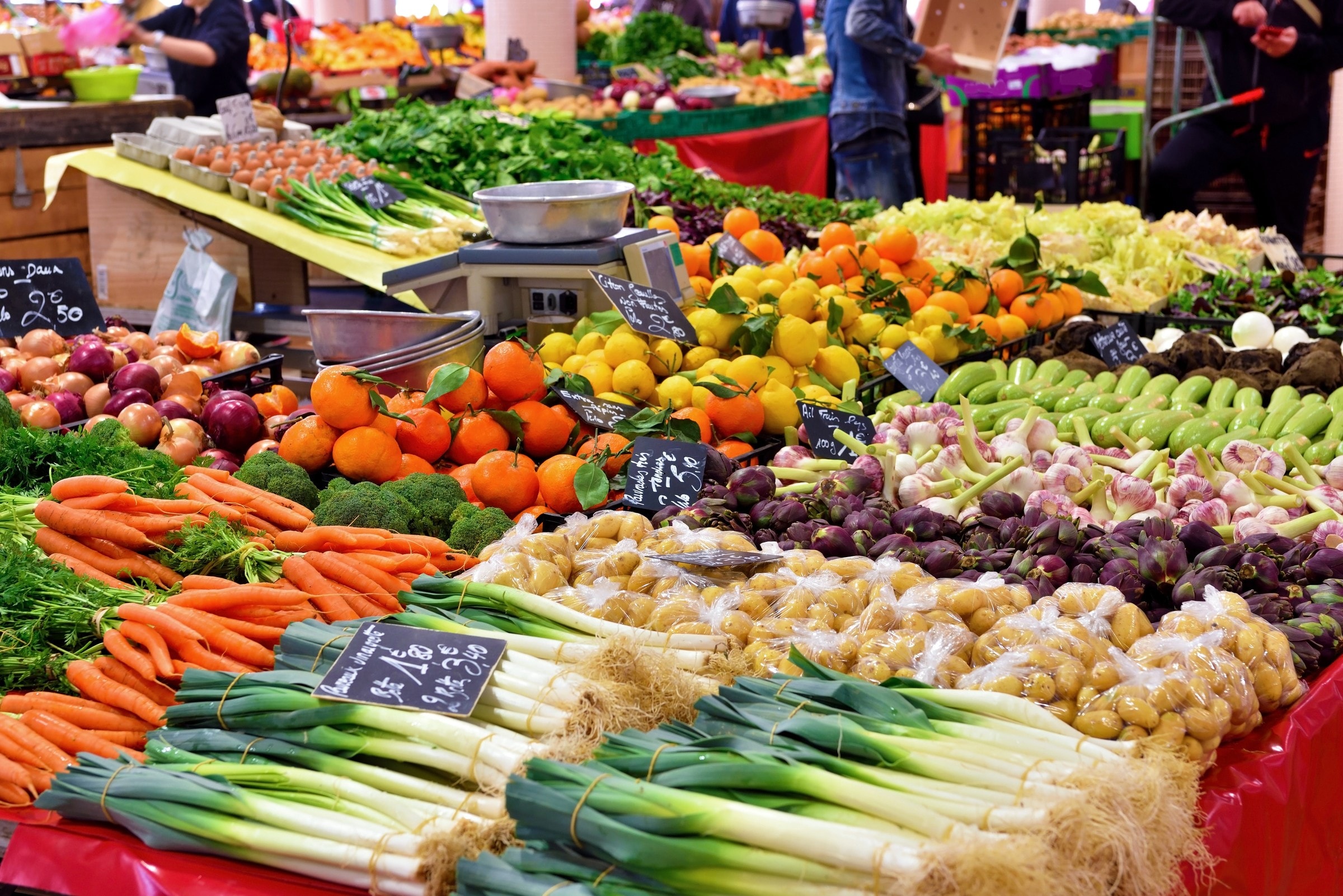
By offering seasonal produce, you guarantee guest satisfaction through quality products. It's also a great way to post on social media, sharing your restaurant's values with your guests. By explaining this eco-friendly approach, you win their hearts.
To liven up your menu, you could for instance create a cocktail of the month built around seasonal produce: a unique product that changes through the months. The same goes for your dishes: working from a chalkboard, or with weekly-changing menus… A perfect occasion to share your latest creations.
You could also run a small kitchen competition: who'll create next week's dish? With a prize at stake, it's an idea your staff will love.
To find seasonal produce, check a seasonal-produce calendar. You can even print a guide to seasonal produce and pin it up in your venue. This way, you give your team ideas and help your staff stay informed to answer guests.
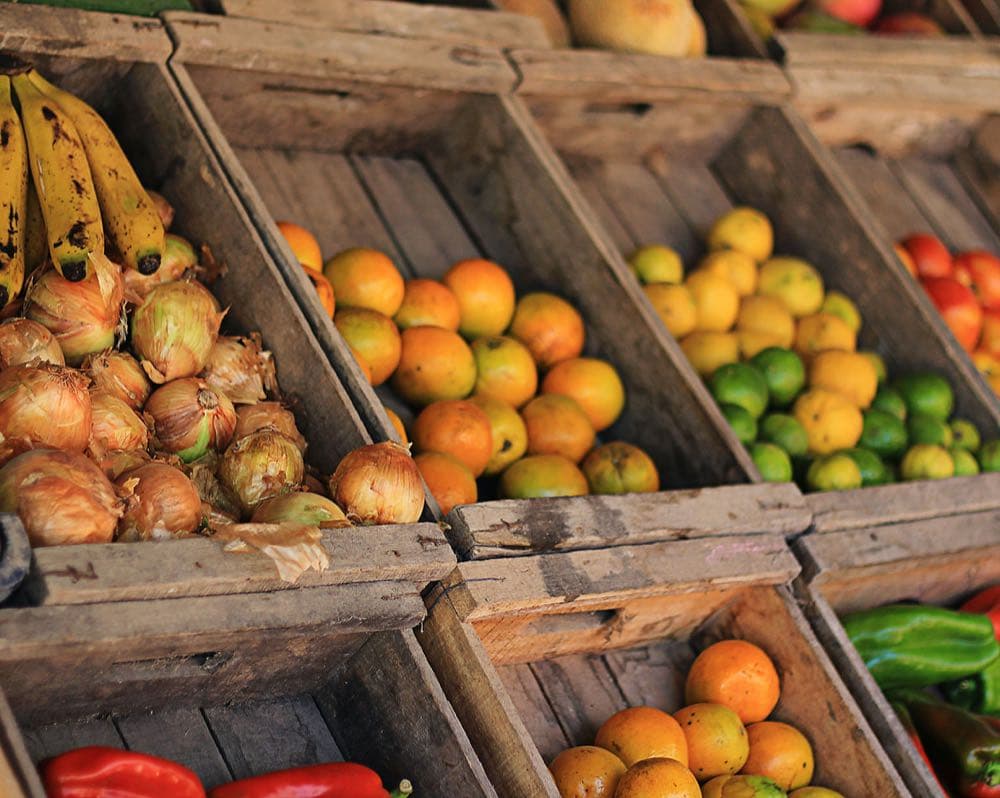
Local producers
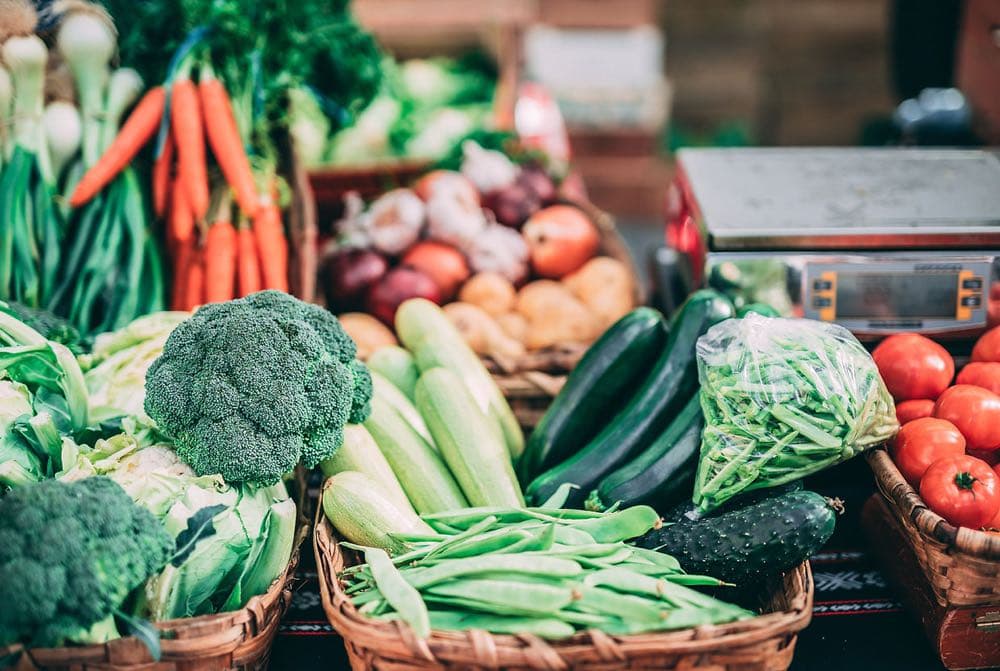
Favouring short supply chains and local produce is an initiative increasingly sought out by consumers. They know what they're eating, they know where the food comes from, and they help sustain the region and the country.
By working with local producers, your dishes are instantly valued in your guests' eyes. And you massively cut your restaurant's carbon footprint!
A product that travels the globe before landing on the plate is a product that causes needless pollution: between plane, cargo ship and truck, shipping 1 kg of carrots from South Africa to France would emit 5 kg of CO2. Rather striking, if you consider the thousands of daily food shipments.
Produce travelling under 60 kilometres to the plate? That's the concept behind the La Ruche qui dit Oui initiative, which lets you meet local producers easily. You can even open your own 'Ruche' right inside your venue. Thanks to their interactive map, it's very easy to find local producers near you.
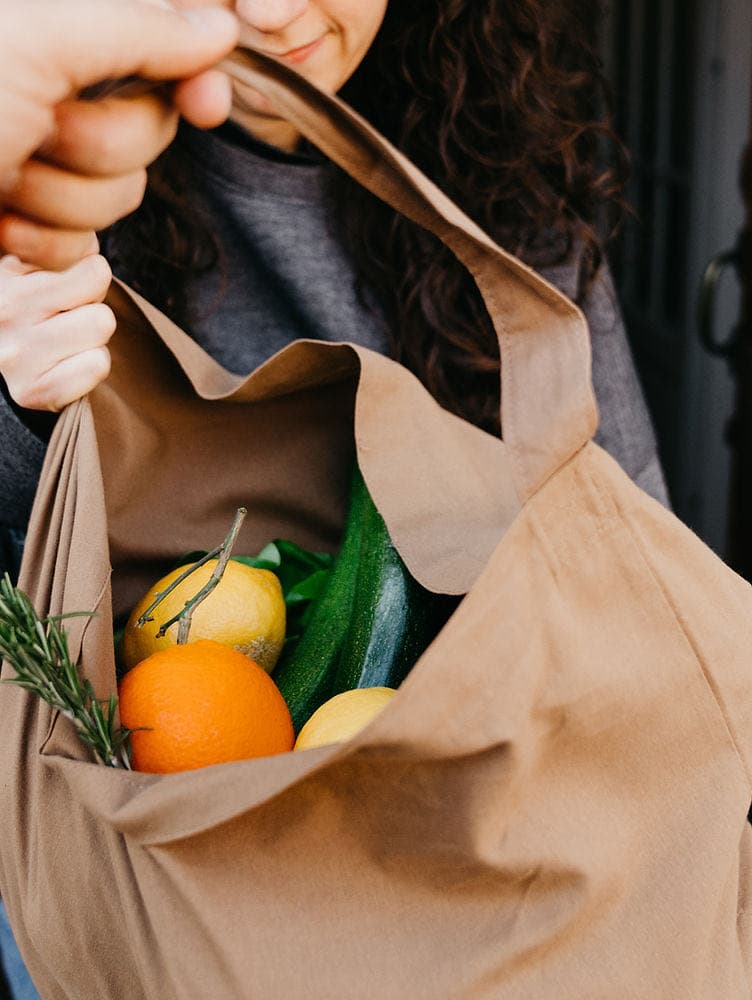
A collective dynamic
Whether it's your guests' orders or the orders you place with your suppliers, keep in mind that transport pollutes.
To cut your carbon footprint, favour grouped orders. The Califrais platform is a good example of this: it lets restaurateurs source fresh produce at Rungis while reducing their number of suppliers. Rather than travelling, restaurateurs gain time and flexibility.
For non-perishable goods, stock up with larger single orders to avoid frequent deliveries. Along the same lines, group your deliveries to limit how long your fridges stay open — and so avoid consuming more.
Outside big cities, you can build a local dynamic by teaming up with restaurants in the area. That way, you can get bulk deliveries at a lower cost, for things like wine or other party supplies, while cutting your carbon footprint.
Avoid single-use
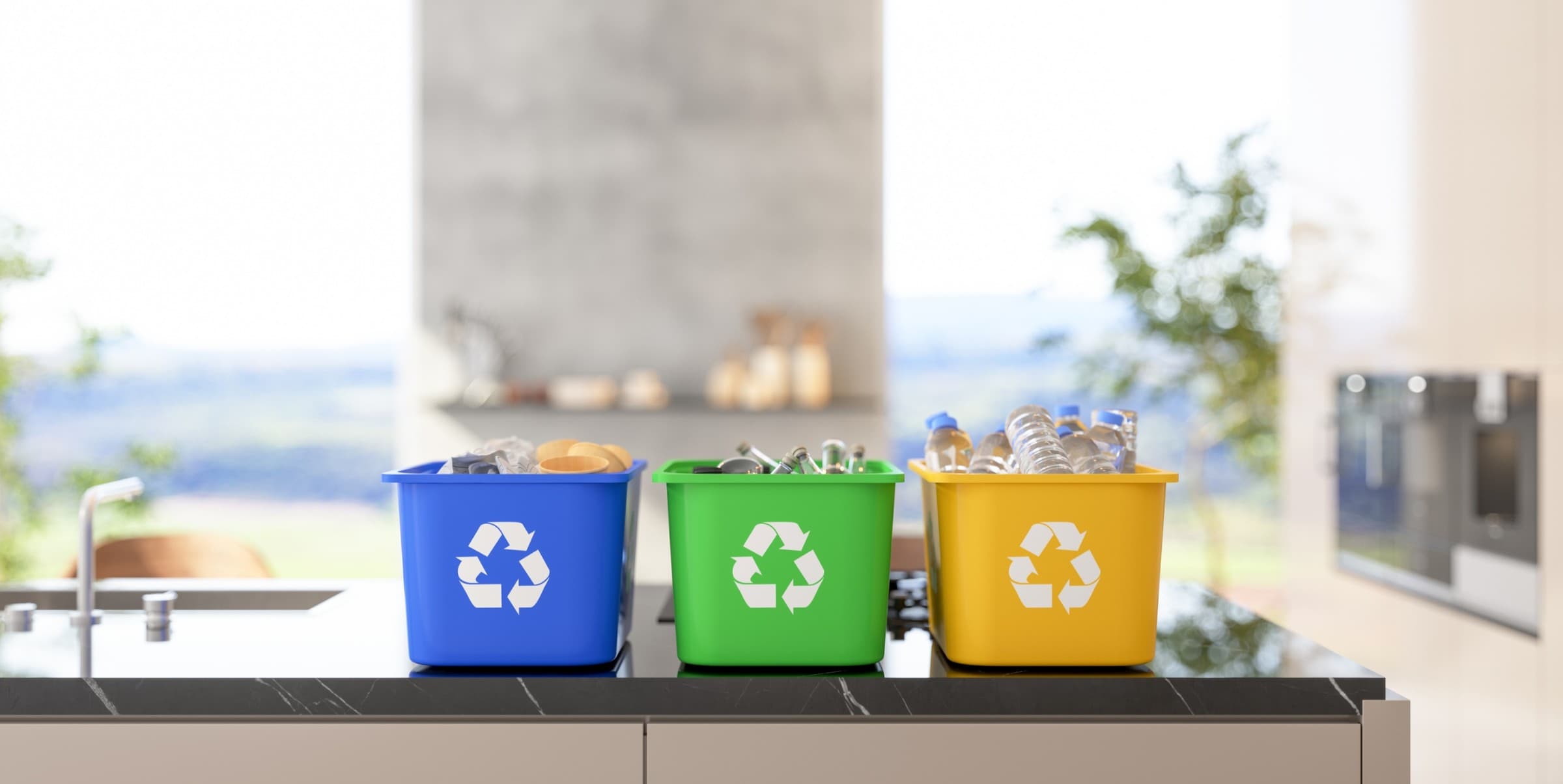
A single-use product is, as the name suggests, meant to be thrown away.
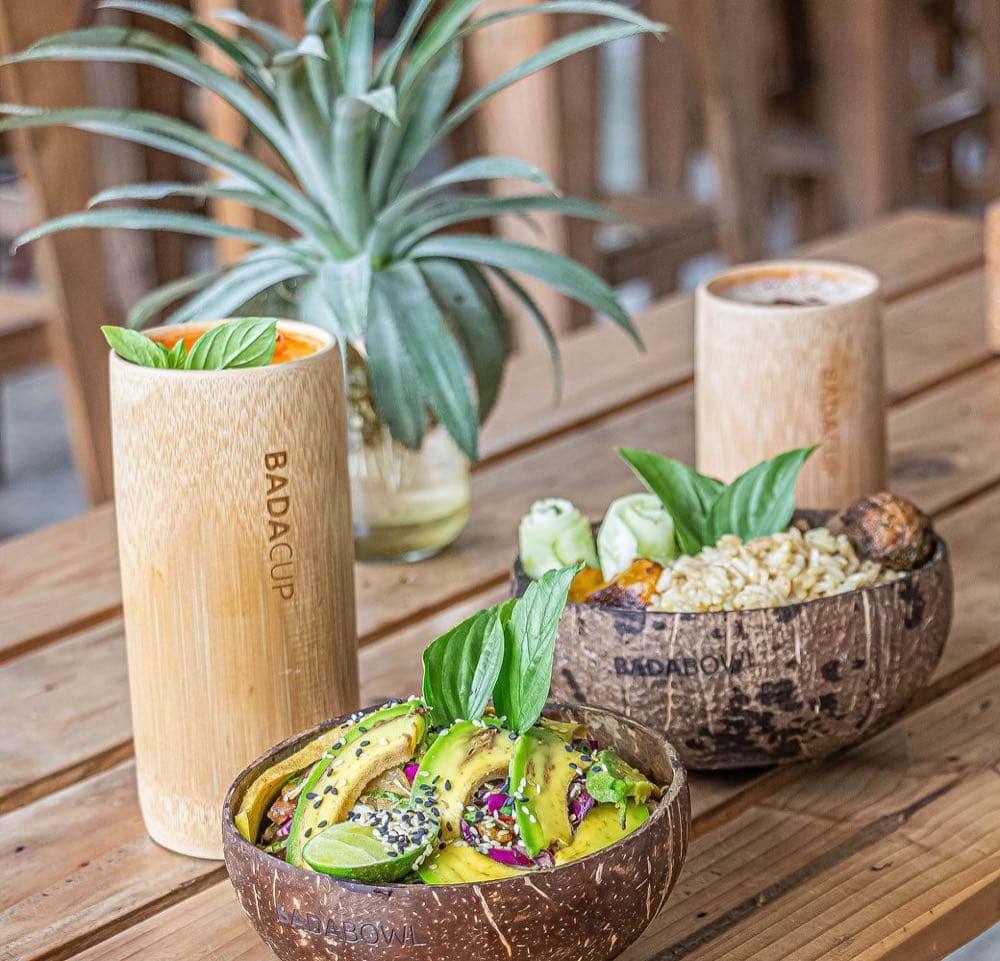
Yet manufacturing, transporting and disposing of every product generates greenhouse gases. So it's always better to use reusable products. Ideally, choose natural alternatives such as bamboo straws or biodegradable containers.
While less polluting alternatives exist among disposable products, the best approach is to avoid using them as much as possible in order to cut your waste.
The deposit system means you never throw anything away, since the guest has to bring back their cup or container. But the benefits don't stop at the economic side: the deposit can become a genuine marketing tool for your restaurant.
A deposit-returned glass dish will push the guest to come back to your restaurant, and that same dish will also get them talking about you. By adding your logo and going for more 'Instagrammable' green alternatives, you'll also gain online visibility. On that note, the 100% natural bamboo eco-cup will do the trick!
Either way, if you do a lot of takeaway, always ask the guest whether they'd like their drink to stay or to go: all too often, drinks are served in disposable cups even though the guest is staying.
Another detail worth using: coffee, often served with a little treat. With sachet sugar and wrapped biscuits, you have a great opportunity to stand out. A glass sugar bowl will be not just greener, but also more refined. And for indulgent pastries, surprise your guests with original, homemade cakes. Same goes for the bill and the little sweets that come with it: offer something local that will win over your guests.
Add greenery
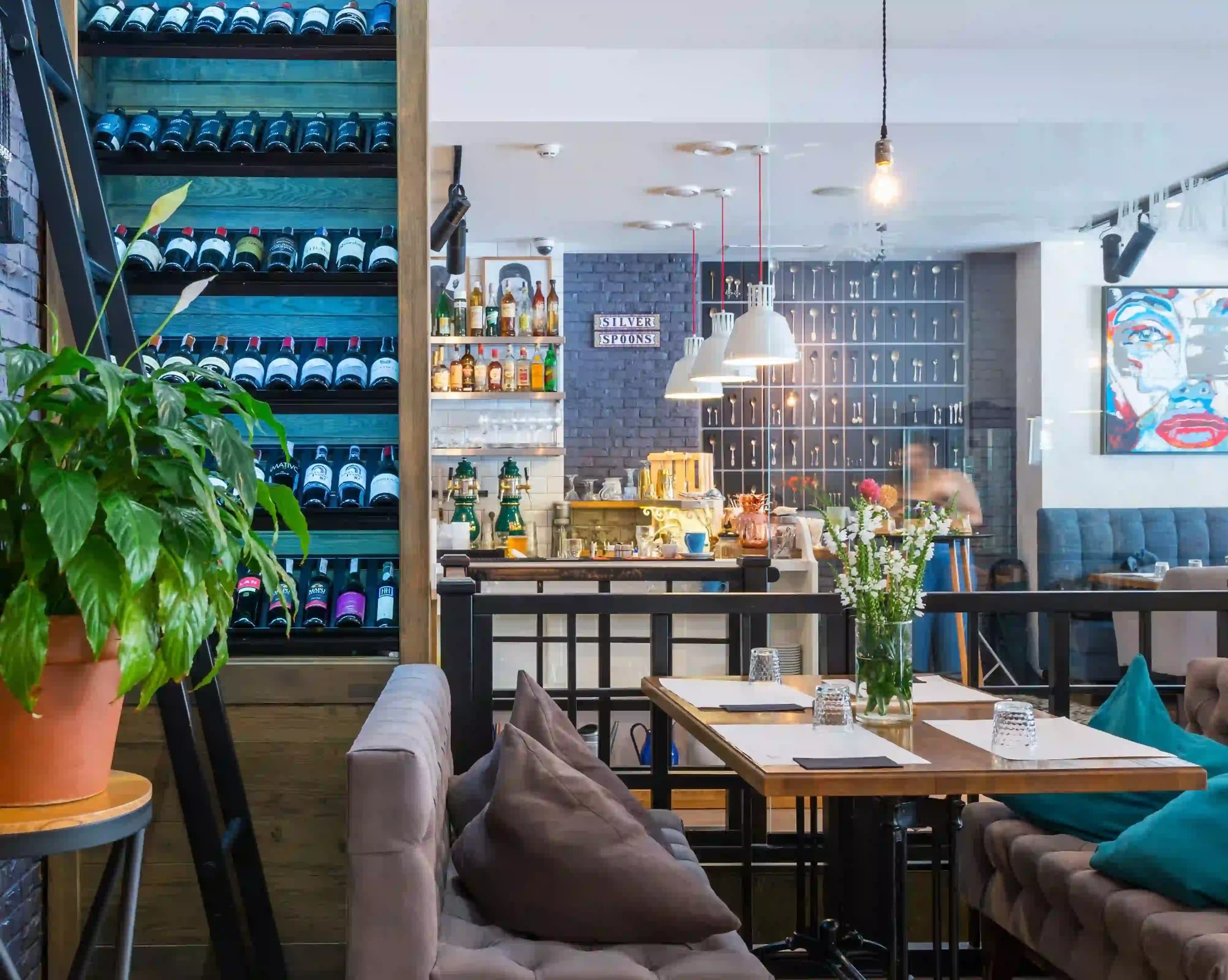
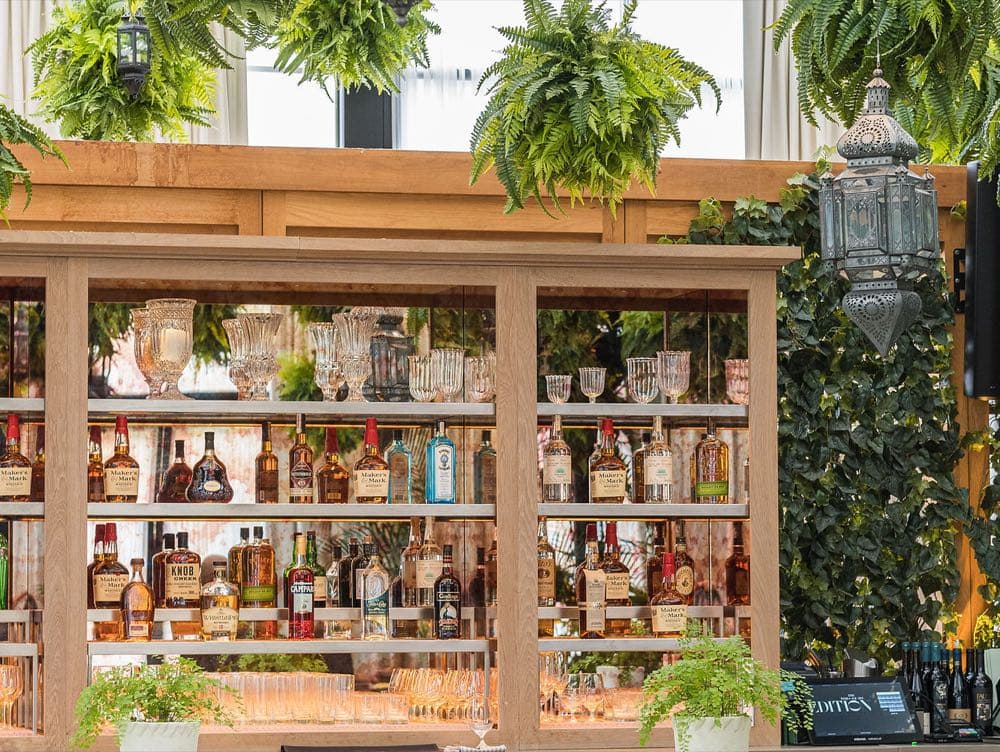
Plants to cut your carbon footprint? Why not. Create beautiful green spaces in your venue, for a natural and eco-friendly atmosphere. Very on-trend, your guests will certainly appreciate it.
Adding plants makes the space more pleasant, but above all more suited to taking photos. It makes your restaurant more « Instagrammable ».
Creating an atmosphere is a key factor in encouraging guests to create content in your restaurant. Add a few indoor plants, dress the walls in ivy, or build a small vegetable patch to reinforce your eco-friendly commitment.
Another option: green roofs. It would be a shame not to make use of empty roof space. What's more, a green roof improves insulation and reduces heat loss: extra energy savings, all while absorbing carbon dioxide! Specialist companies in greening venues can even help you get there. Take Platan, which offers tailor-made greening workshops, for example.
Produce your own energy
Producing your own energy, an investment that can look pricey for a restaurant, but which in some cases — and depending on your location — will genuinely pay off.
A solar panel on your roof will cut your electricity bills, and it's also a solid first step toward eco-responsibility. In storytelling terms, you'll have a great story to tell your guests.
Other restaurateurs have successfully taken the leap: that's the case for the Gingko venue in Marseille, in the PACA region. Its eight Dualsun solar panels supply the venue with hot water and electricity.

Lighting & green energy
Using low-consumption bulbs of the LED type is a first step, and one of the priorities for cutting your electricity bill. On top of that, your restaurant's insulation also matters.
Green energy covers the five types of renewable energy: hydro, solar, wind, geothermal and biomass. Without going into detail on each, these are the energies that will build tomorrow's sustainable world. The sooner you commit, the better!
Here's a 100% free energy comparison service, which will let you choose a greener supplier, while helping you cut your electricity bill: the Hellowatt green comparison tool.
Insulation & efficient cooling
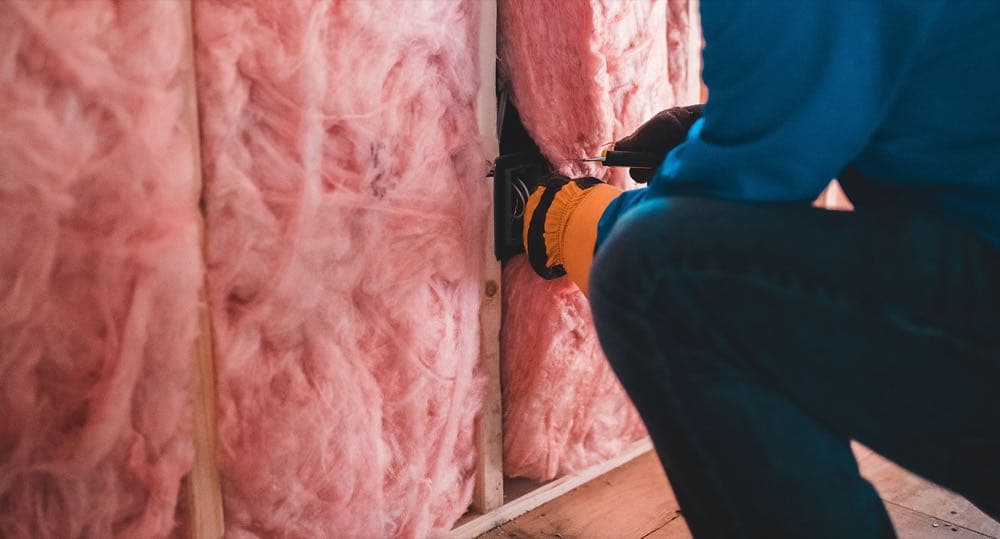
Poor insulation will have a negative impact on your entire energy consumption. In other words, you're heating thin air. That's why it's always better to invest in quality materials, and not hesitate to renovate your venue if needed.
The same applies to kitchen equipment, especially fridges and freezers. It's more beneficial to choose the most eco-friendly options, even if the price is higher. In the end, you'll save on consumption over the long run.
As a restaurateur, you can access a CEE grant when carrying out insulation work. You can also use comparison tools to make the best choice.
Switch to bamboo, your way
Get a sample or a tailored quote within 48h. Let's talk about your project.
Request a quote