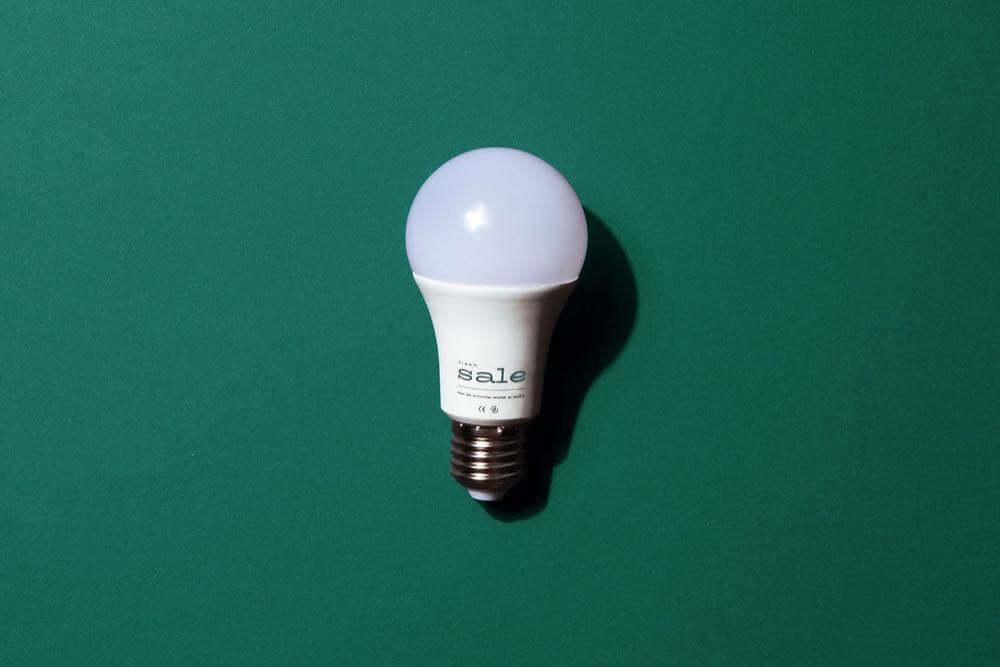
The economic advantage
An eco-responsible approach means reducing your overall consumption. And less consumption also means lower costs.
Hospitality is one of the most polluting, energy-hungry industries. Beyond its heavy environmental impact, all that energy comes with considerable costs — a budget that's often too high, when much of this consumption can simply be reduced and optimised.
Often, an eco-friendly investment at launch, or good daily habits, bring big savings over time: investing in good insulation, installing solar panels, automatic shut-off taps and aerators, toilets with a built-in sink, fixing leaks without delay, running machines full with efficient models like Winterhalter, serving from a chalkboard menu, going digital, respecting cocktail measures, recovering organic waste, grouping orders, selling unsold stock on Too Good To Go, or repairing and reselling furniture on Leboncoin.
That's why it's so important to share these values with your staff, so every link in your production chain is optimised and your green approach is genuinely profitable.
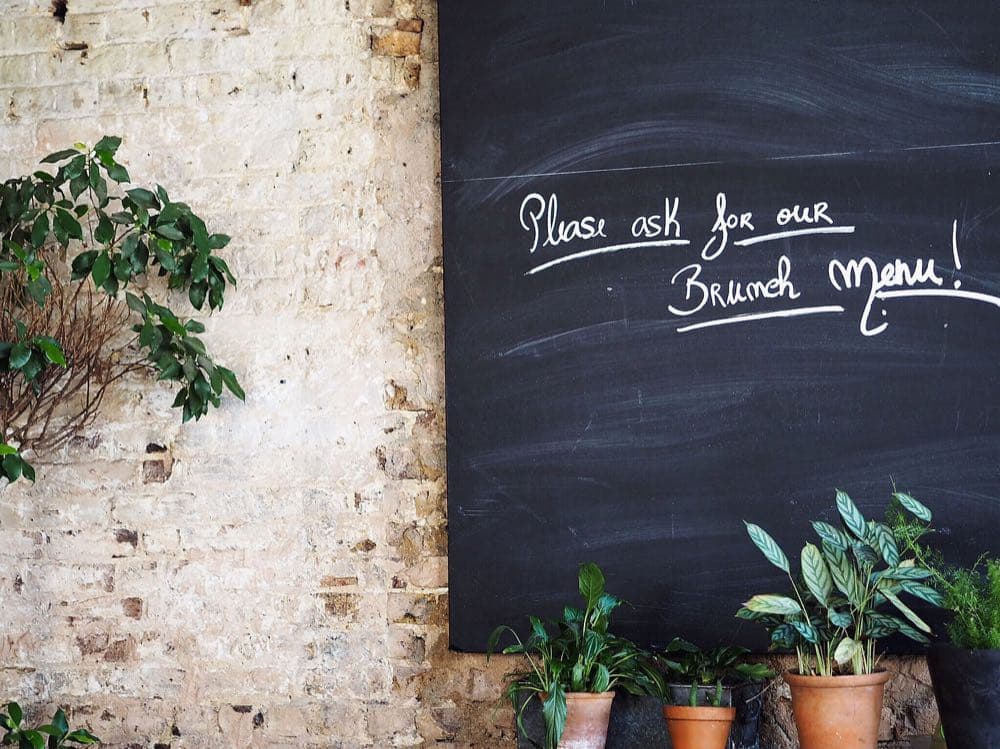
The marketing advantage
This drive to go green doesn't only come from businesses: it comes above all from customers, who want to consume in an increasingly responsible way. The trend is toward local, artisanal, and above all transparency — consumers are becoming more aware of their individual responsibility, and are seeking more ethical everyday habits.
By building in 'green' concepts, you add value to your business, attract new guests, retain existing ones, and above all drive word of mouth: green initiatives are strongly encouraged, and you'll quickly gain visibility with smart use of this content on social media.
Among responsible initiatives, tableware is a great showcase. At Badabambou, we offer personalised eco-friendly bar accessories made from biodegradable materials — bamboo cups, coconut bowls and bamboo straws: ethical, unique pieces you can sell as goodies, which guests will love.
Sustainability in hospitality has become a powerful marketing tool. Here are a few ideas guests love: a short chalkboard menu, working with local producers, a first menu page telling your story, adding greenery, personalised takeaway containers, and a loyalty card that rewards guests who return their container.

The environmental advantage
Choosing more eco-friendly containers, cutting the amount of packaging used, reducing waste and carbon footprint: these are restaurateurs' main sustainability concerns.
Single-use products make up a large share of restaurant waste. The goal is to shift toward more natural alternatives, with more responsible manufacturing processes that use biodegradable materials.
Ideally, you'd ban certain toxic components altogether, with plastic topping the list! Fortunately, low- or non-polluting options exist today: 100% recyclable, natural tableware is a great example, alongside the reusable bamboo straw that replaces disposable plastic ones.
It's also about reducing polluting emissions through responsible processes along the whole production chain: banning plastic and single-use, buying in bulk, favouring short supply chains and deposit-crate deliveries, recycling glass, card, paper, storing in airtight containers, favouring reusable deposit systems for takeaway, and offsetting your carbon footprint by adding greenery to your venue.
To conclude, putting an eco-responsible approach in place in your restaurant is a winning combo for your wallet as well as for the planet.
Restaurateurs have plenty of cards to play to take part in the green transition. Businesses that adopt these new codes will be rewarded with loyal guests, more effective word of mouth, and savings boosted by growing margins. Making the effort also justifies a slightly higher price, which is why it's important to highlight these actions to your guests.
We invite you to discover all our tips for greening your restaurant: how to optimise your waste, how to cut water use in your bar, or how to limit your carbon footprint.
Switch to bamboo, your way
Get a sample or a tailored quote within 48h. Let's talk about your project.
Request a quote