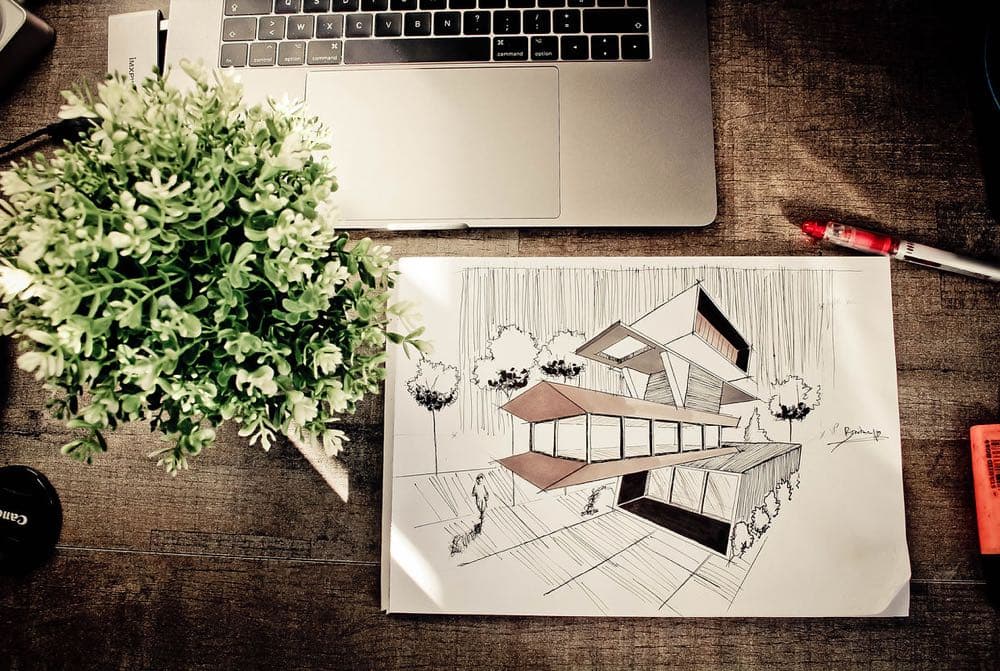
Visual connection to nature
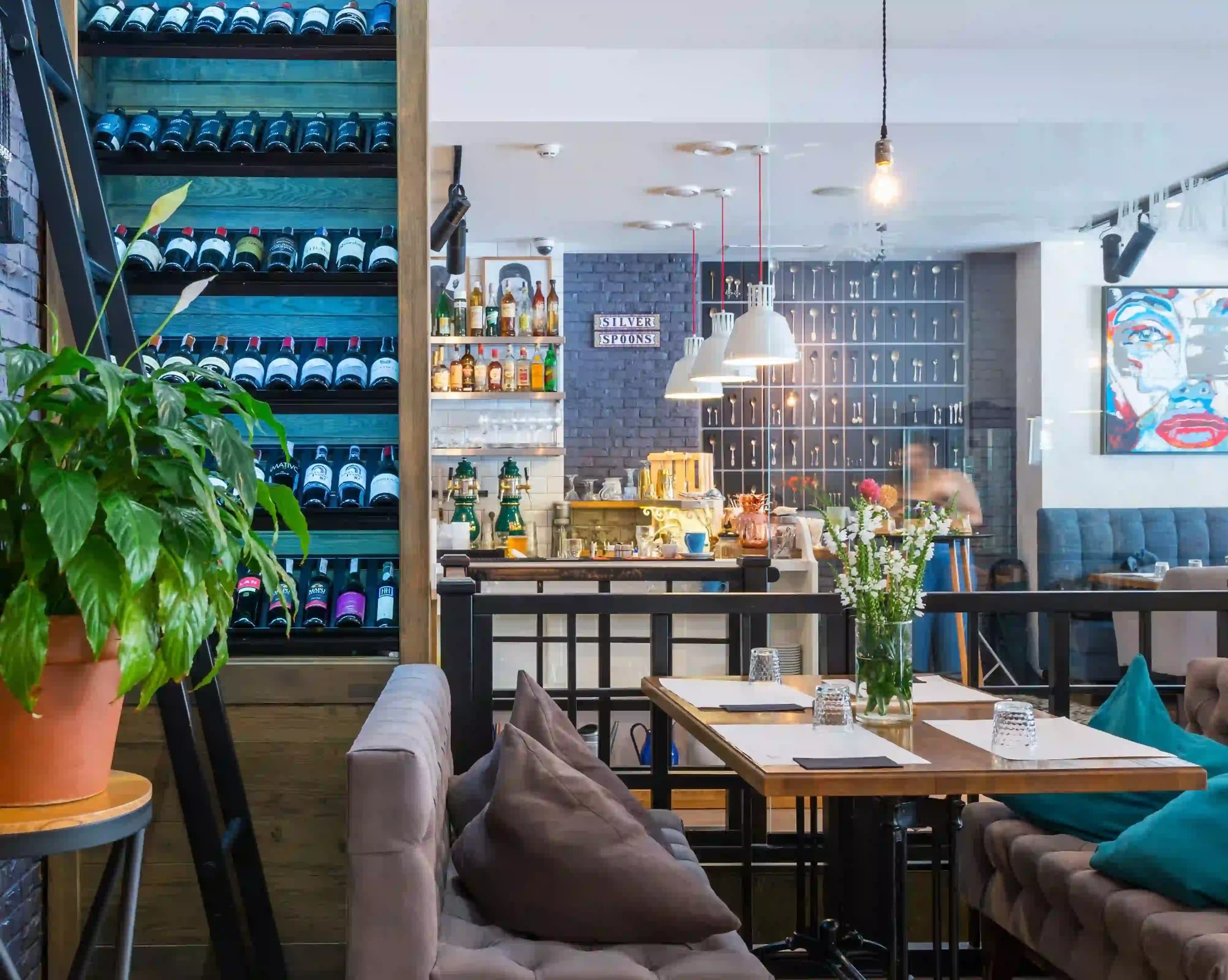
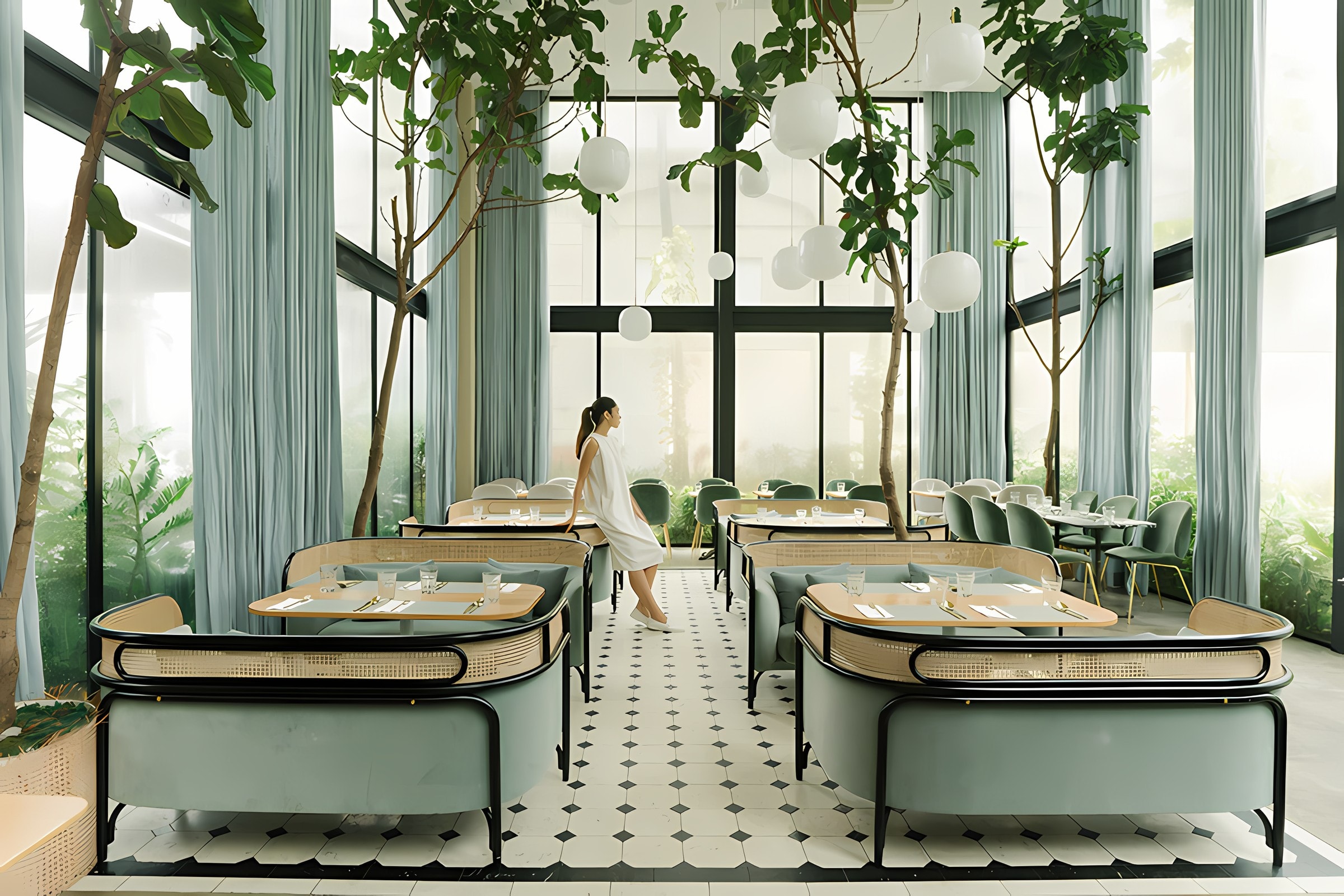
Everyone can have a different vision of what constitutes « the beauty of nature ». « Nature in the space » covers the decorative elements that let us have direct physical contact with nature indoors — this doesn't mean the proximity of one or two potted plants.
Viewpoints onto elements of nature, such as a window with a garden view or sea view, potted plants, flower beds, vegetable patches, walls and green roofs.
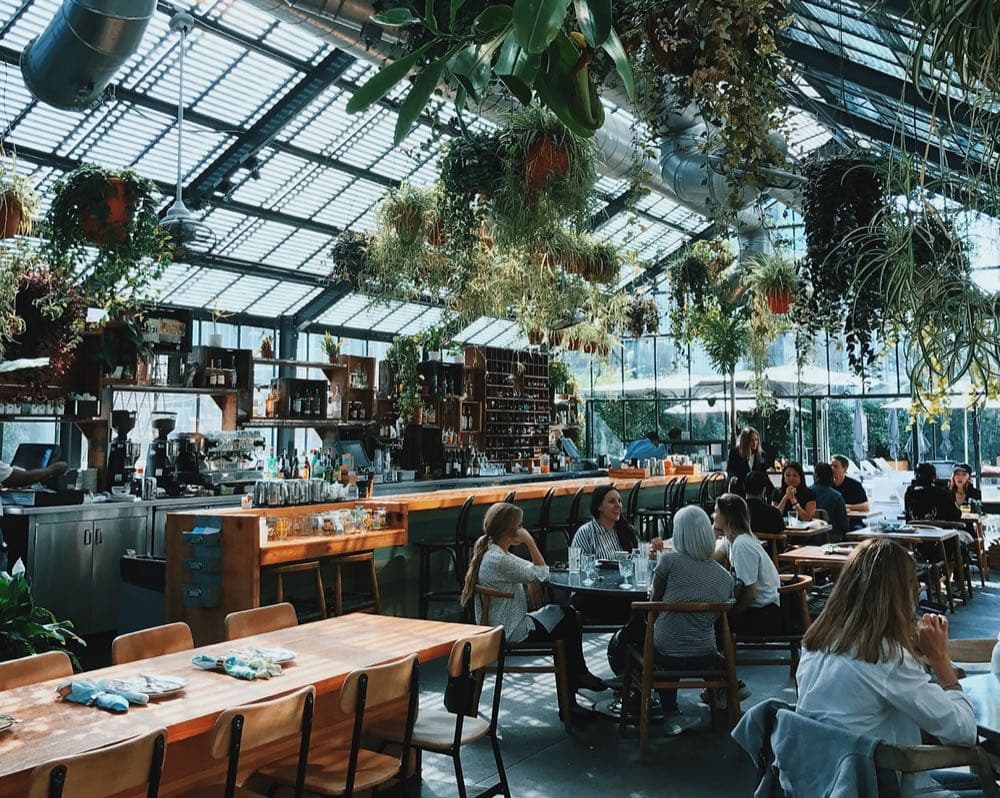
Non-visual connection to nature
Interactive designs, often undervalued, that stimulate our other senses (sound, touch, smell and taste) to remind us of our connection with nature.
Non-rhythmic sensory stimuli
The rich sensory stimuli offered by nature in constant motion, yet unpredictable, like the gentle swaying of grasses in the breeze or ripples on water.
Temperature & airflow
Subtle changes in the temperature of the air and surfaces, of humidity and airflow across the skin, mimicking natural settings.
Presence of water
To see it, hear it or touch it.
Dynamic, diffuse light
A clever use of light and shadow to mimic lighting conditions or the circadian processes that occur in nature.
Connection to natural systems
An awareness or proximity to natural processes, such as seasonal changes, reminding us of the unfolding of healthy ecosystems.
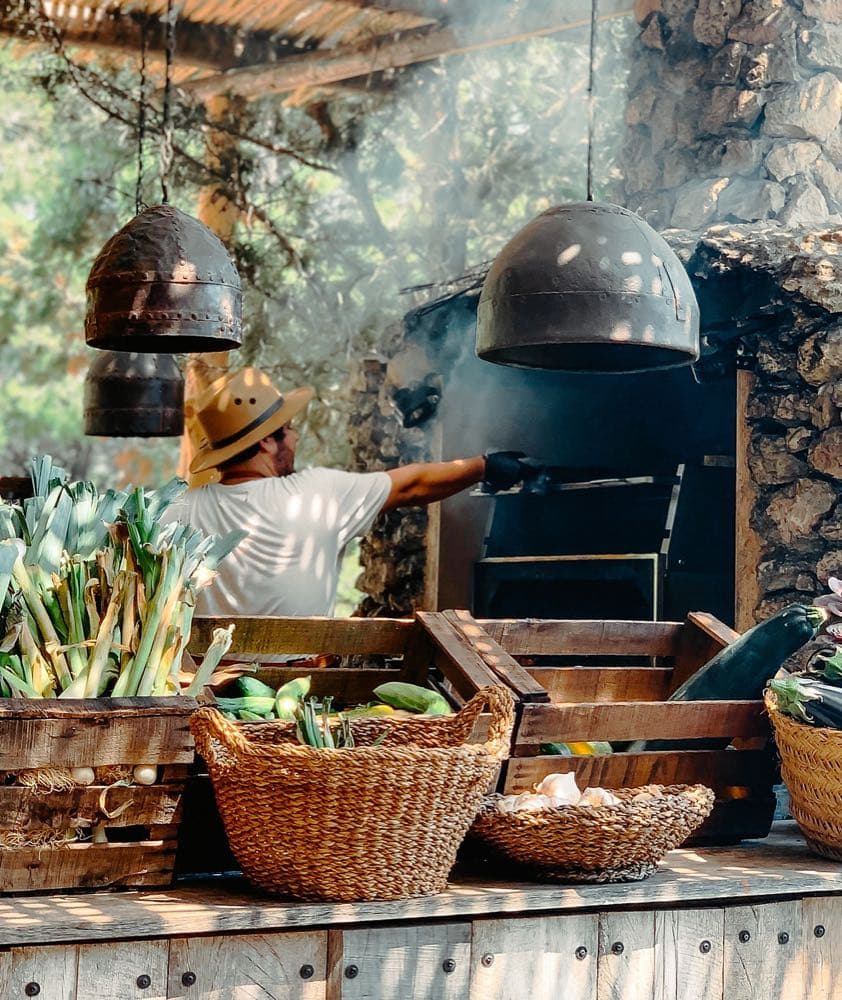
Biomorphic forms
Natural analogue patterns focus on the organic, non-living and implied elements of nature in a space. With these patterns, we use elements with an indirect link to nature, which creates a signal to the brain that evokes the same sense of well-being as the natural world.
The use of gentle, ordered or complex art of nature in decorative elements such as textile patterns, artwork, furniture and surfaces, can trigger our biophilic connection with nature. Symbolic representations, within the drawing, of patterns, shapes, textures or digital arrangements found in nature.
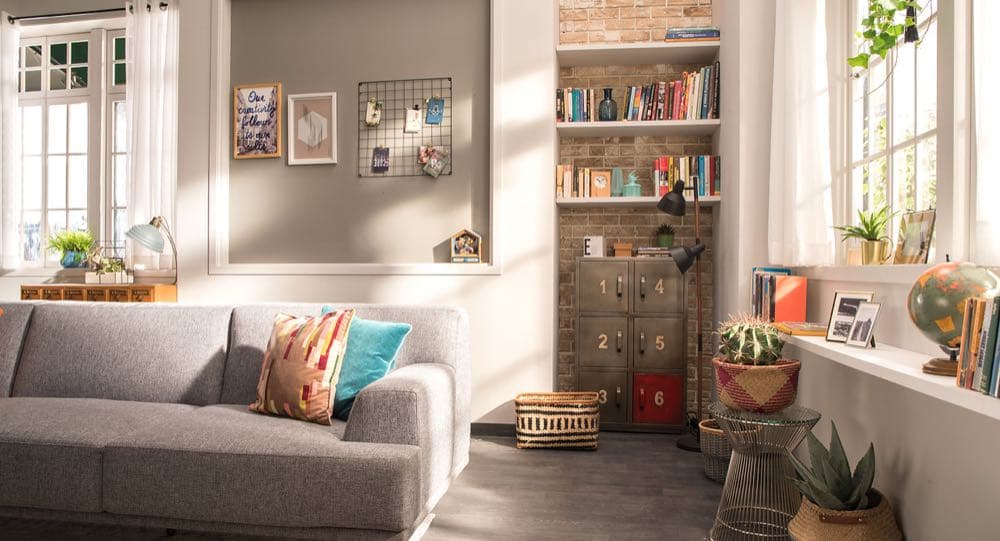
Material connection to nature
The use of materials, grains, textures and decorative elements that distinctly reflect the natural environment to create an overall sense of the natural world.
Complexity and order
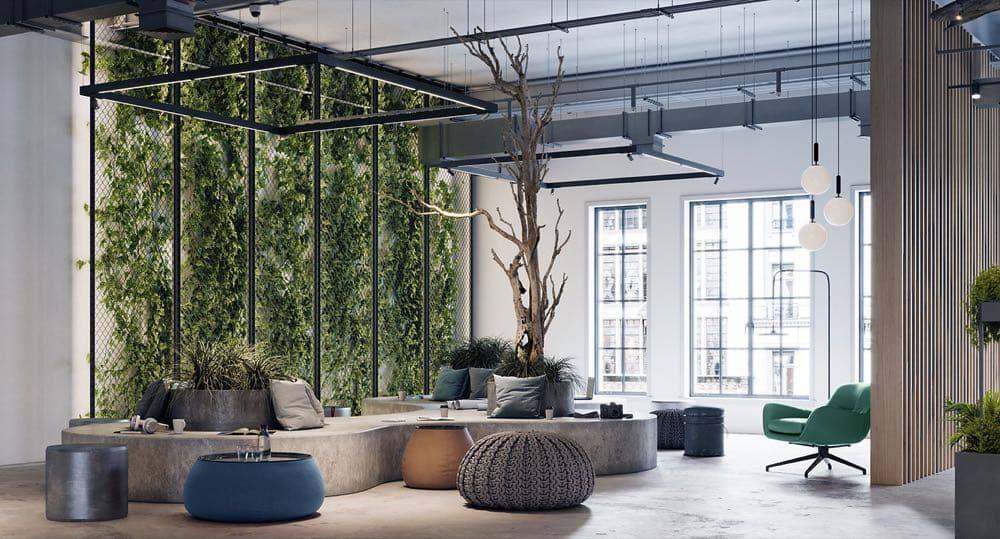
An abstract yet visually appealing concept that uses the rich sensory information of symmetries, hierarchies and geometries found in nature.
Prospect
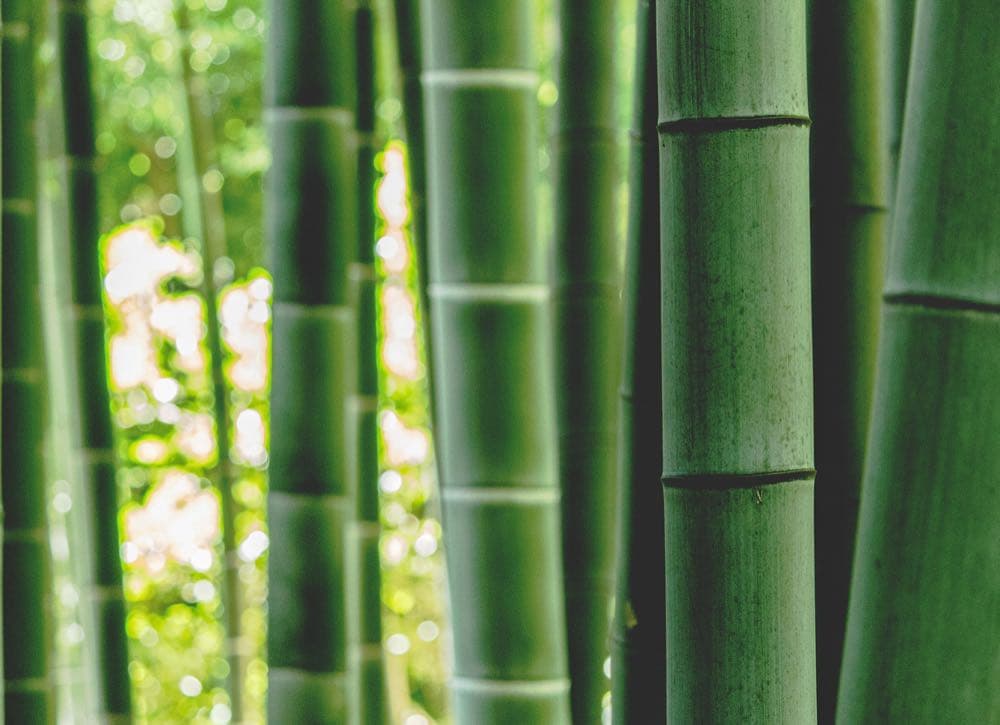
Nature of the space patterns define our relationship with the building, the room or the space around us at a deeply human level.
We have an intrinsic desire to see beyond our immediate environment or over long distances, which traces back to an anthropological survival theory. Prospect patterns consider an overall view of your environment — balconies, oversized windows or skylights, mezzanines, open spaces or transparent partitions that offer uninterrupted views.
Refuge
Like the prospect pattern, the refuge pattern emphasises the ability to observe your surroundings, but from the safety of a protected position, away from the bustle of central activity areas. An acoustic pod in an open-plan office, for example, offers a safe refuge to focus away from noise while keeping a view of the world around it.
Mystery
Rediscover the excitement and unknown elements of the great outdoors within the urban environment. The promise of more information, gained through partially obscured long-distance views, decorative reveals or surprising installations, draws us in and engages us with our environment. The success of the Mystery pattern lies in the anticipation of what might be around the corner, which creates a strong human response that is undeniably pleasing.
Managed risk
This is the thrill of danger provided by an identifiable risk, paired with a sense of reliable protection. Evolution designed us for survival. Whether it's an elevated walkway or a glass wall overlooking a city skyline, the Risk/Peril pattern triggers the excitement of living at the edge of safety.
Switch to bamboo, your way
Get a sample or a tailored quote within 48h. Let's talk about your project.
Request a quote